

Train once, play better everywhere: how fitness improves golf, tennis and pickleball
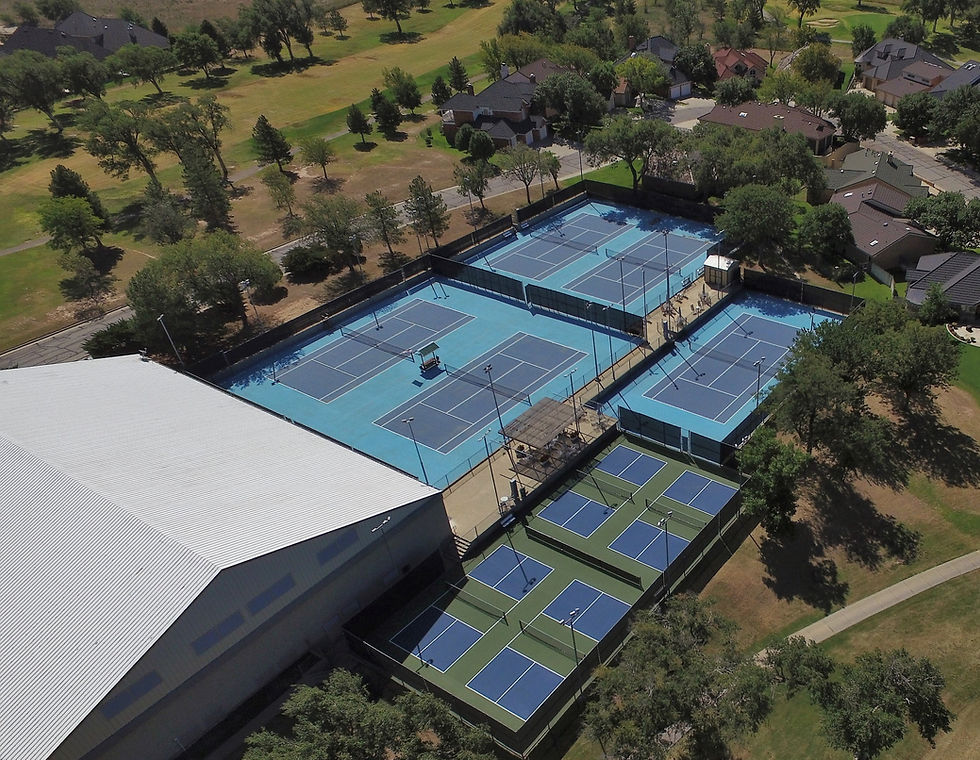
At TGC Athletics, members enjoy a wide variety of ways to stay active—golf, tennis, pickleball, group fitness classes, personal training, youth athletic development, and scenic walking trails. While each activity may look different, they all rely on the same physical foundations. The good news? You don’t need a separate workout for every sport. Train smart once, and you’ll play better everywhere.
The Common Denominator: How the Body Moves
Whether you’re driving the ball down the fairway, chasing a drop shot, reacting at the pickleball net, or powering through a group fitness class, your body depends on a few key abilities:
Mobility – the ability to move joints freely and safely
Stability – controlling movement, especially through the core and hips
Strength – producing force efficiently, not just lifting heavy
Balance & coordination – staying in control during dynamic movements
These qualities don’t belong to one sport—they support all of them.
Why This Matters for Golf, Tennis and Pickleball
Many recreational athletes assume they should only “play their sport” to improve. While skill practice is important, fitness fills the gaps that sport alone can’t address.
Golfers benefit from improved hip and thoracic spine mobility, allowing a smoother, more powerful swing without stressing the lower back.
Tennis players rely on leg strength, rotational power, and shoulder stability for faster serves and quicker court coverage.
Pickleball players, despite the smaller court, need agility, balance, and reaction speed to stay competitive and injury-free.
A well-designed strength and conditioning program enhances all of these—without adding unnecessary bulk or fatigue.
Group Fitness, Personal Training, and Cross-Training
Group fitness classes provide a fun, energetic way to build endurance, strength, and overall conditioning. Personal training adds customization—addressing individual limitations, previous injuries, or performance goals. Together, they form a powerful foundation that transfers directly to on-court and on-course performance.
Even low-impact activities like walking the club’s trails play a role. Walking improves cardiovascular health, supports recovery, and keeps joints moving—making it an excellent complement to more intense training days.
One Body, One Smart Plan
The biggest misconception in fitness is that training has to be complicated. In reality, two to three well-structured strength sessions per week, combined with regular activity, can:
Improve performance across multiple sports
Reduce aches and pains
Increase energy and confidence
Help you enjoy the club longer, not just harder
Takeaway
You don’t need to train for golf, for tennis, or for pickleball—you need to train for your body. When your body moves better, everything you do at the club improves.
If you’re curious how your current routine supports (or limits) your favorite activities, ask a trainer at the Tascosa Athletic Center. We’re here to help you make the most of every round, match, class, and walk.


Comments